William V. Campbell: Coach, Executive, and Startup Culture’s Guiding Hand
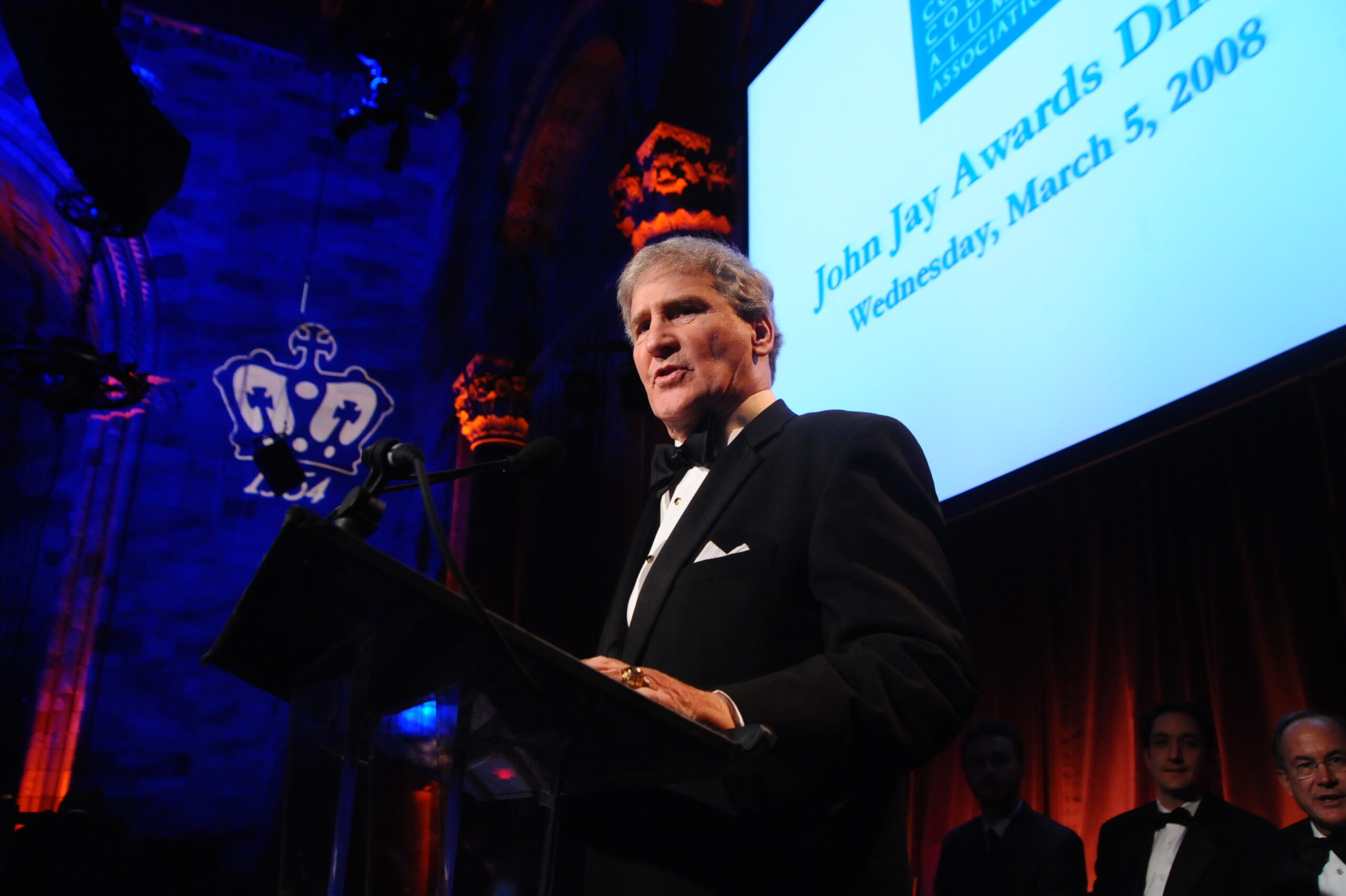
Bill Campbell is remembered here at the Campbell Center for his directness, loyalty, generosity, and genuine care for people, qualities that defined his career across decades and industries. It’s this energy that underpins the work that we do every day.

We are honored to continue his legacy here at the Campbell Center for Entrepreneurship, and we invite you to learn more about his impact on Columbia, the startup world, and our center.

Getting to Know Bill Campbell

William Vincent Campbell was born on August 31, 1940 in Homestead, Pennsylvania, a hardworking steel town outside Pittsburgh that laid the foundation for his work ethic and drive to foster community.

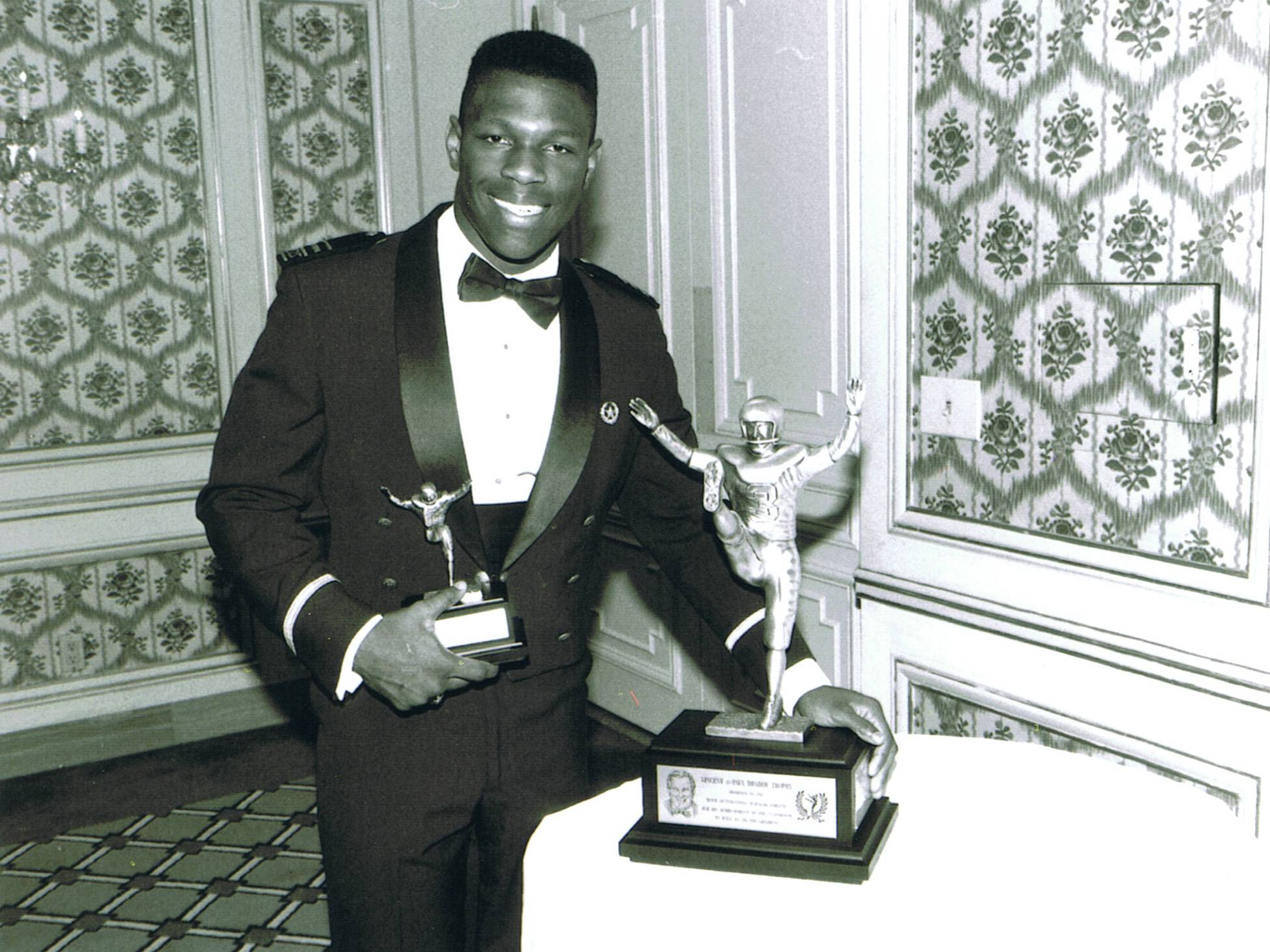
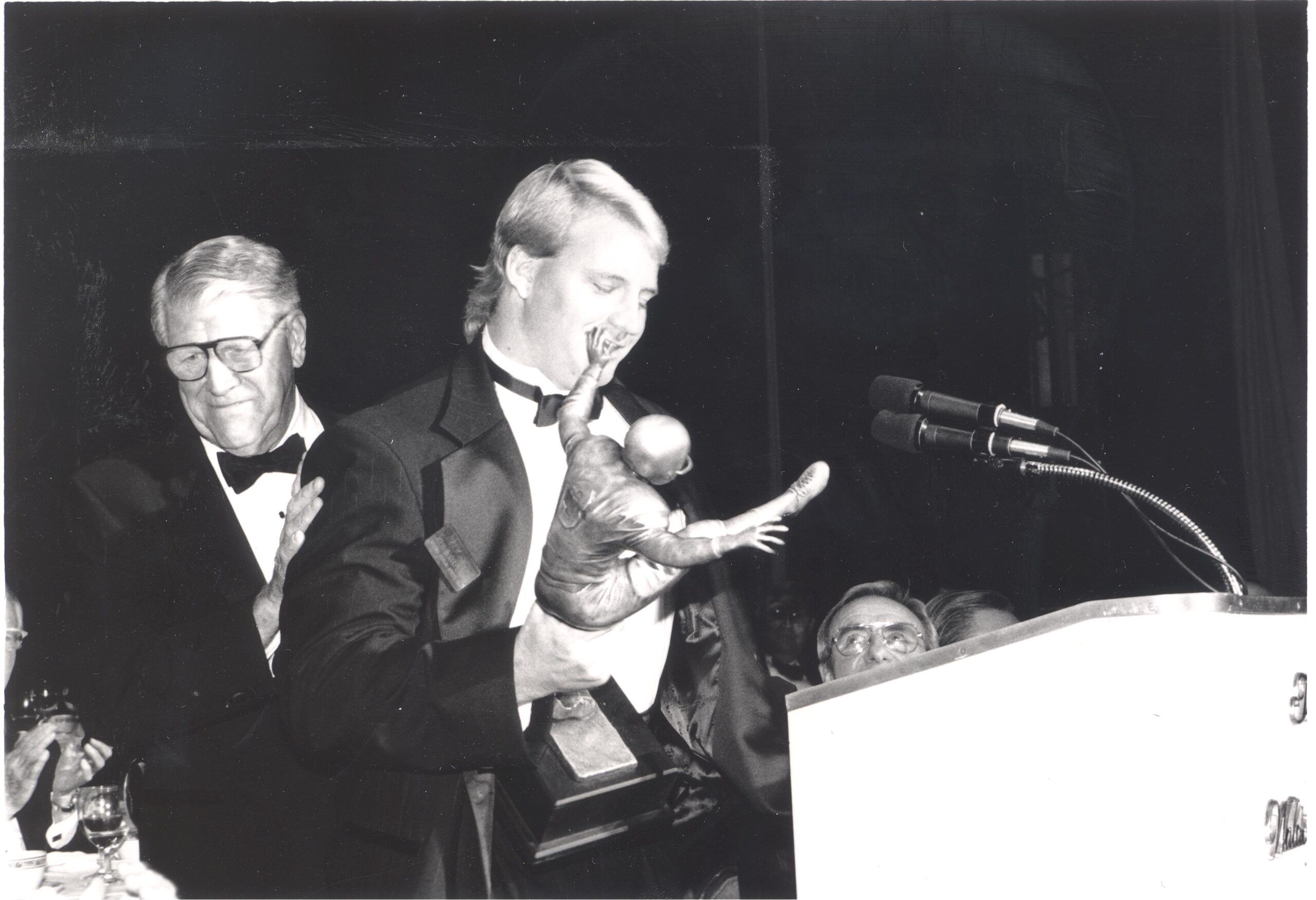
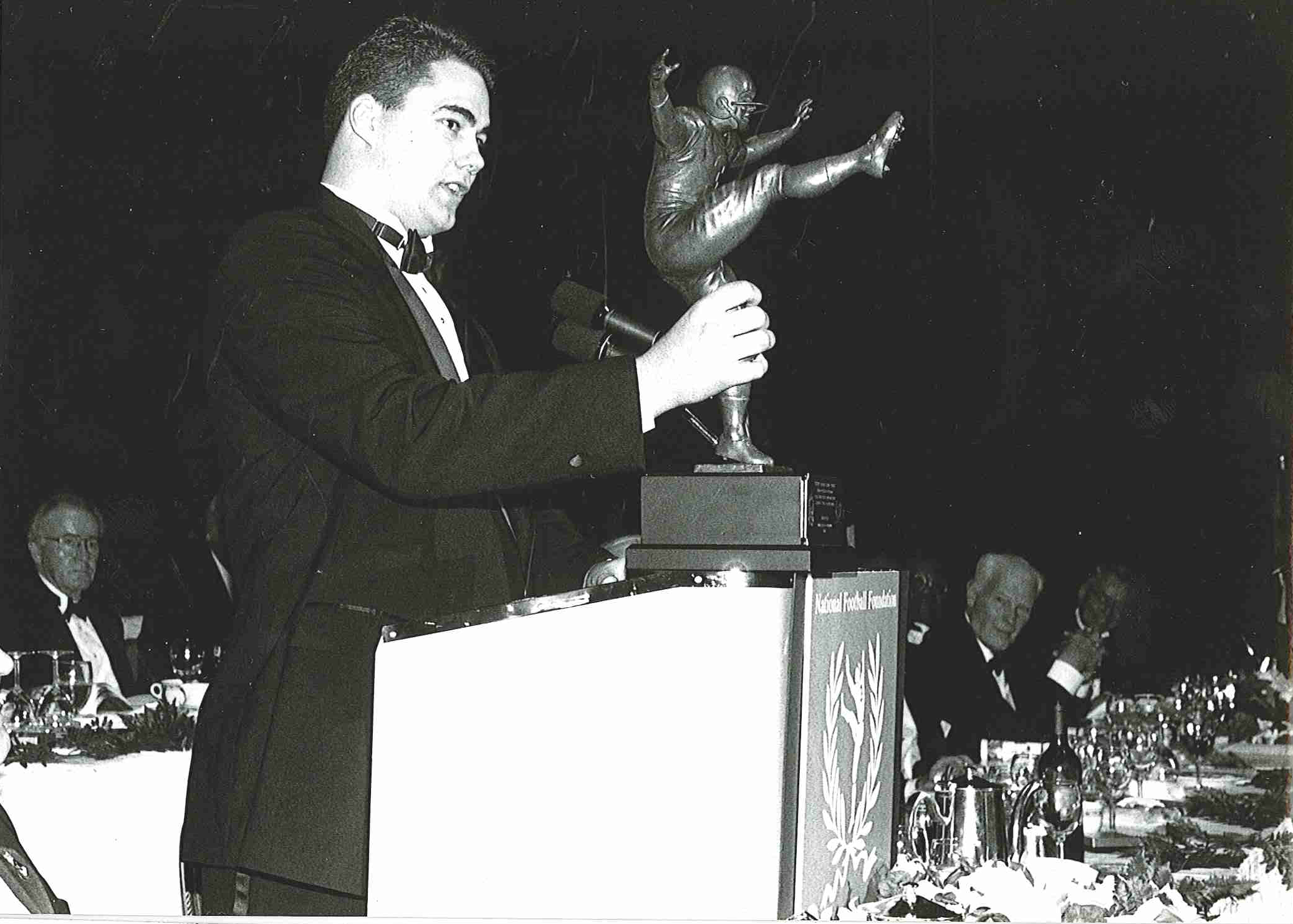
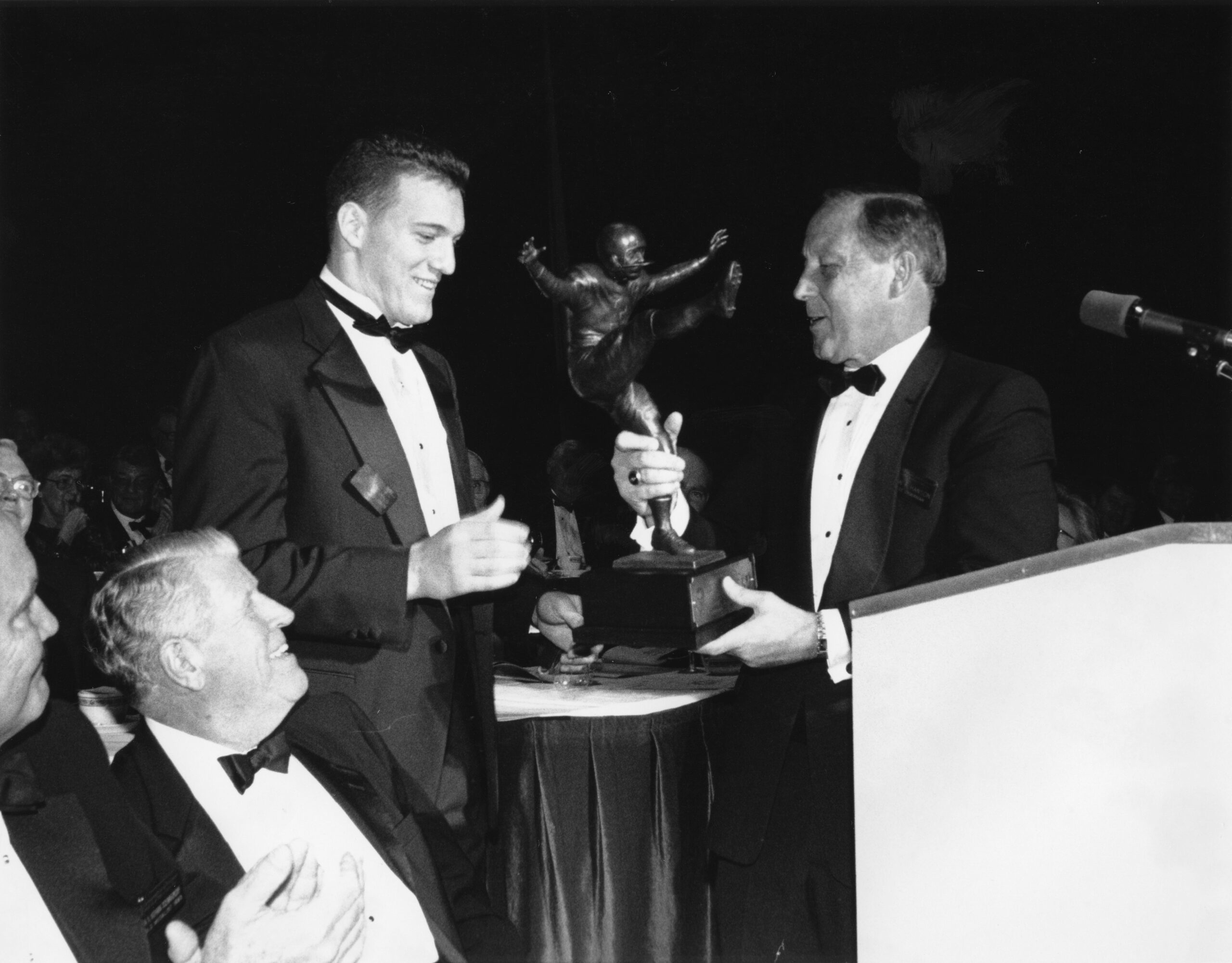
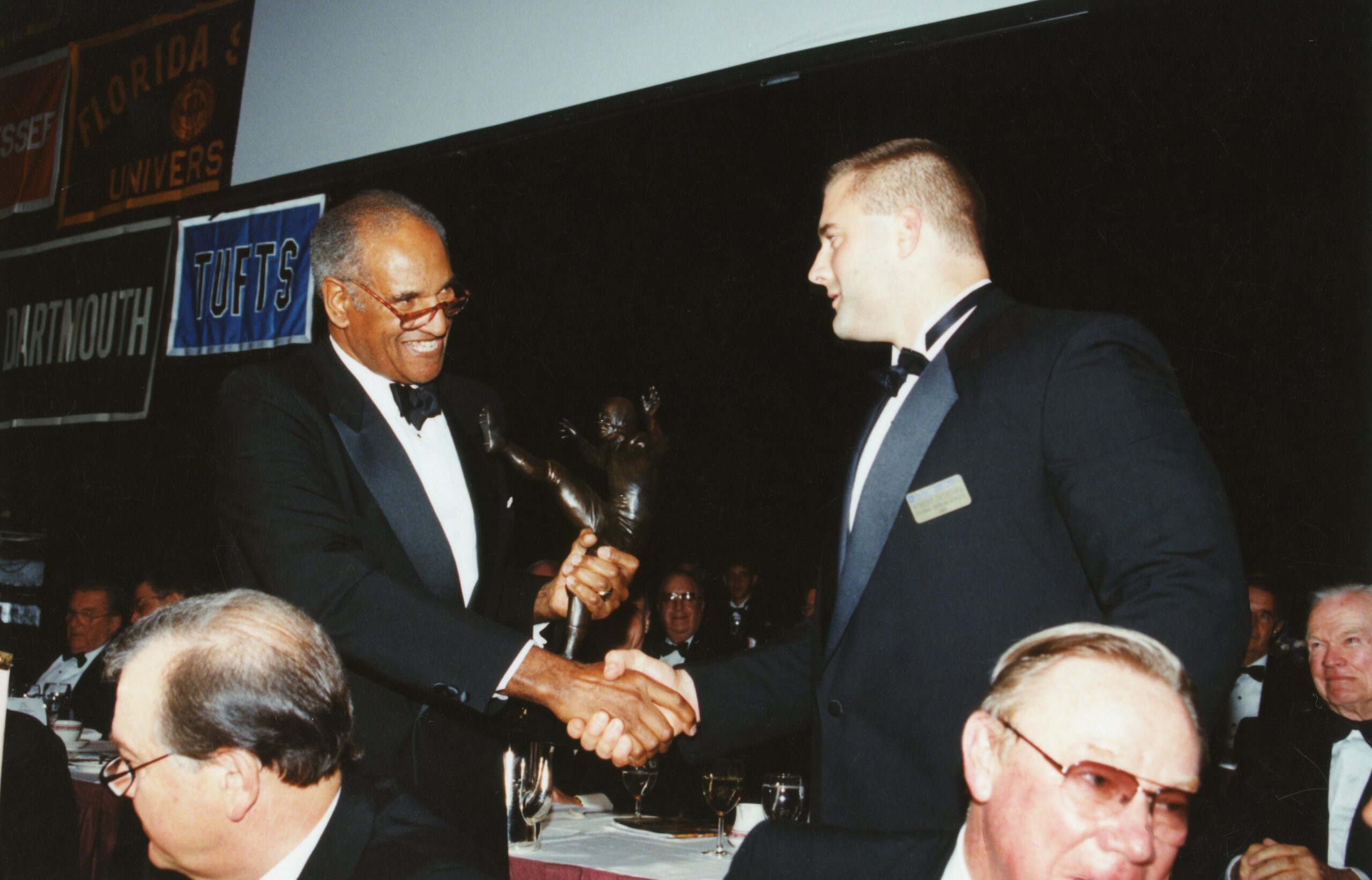
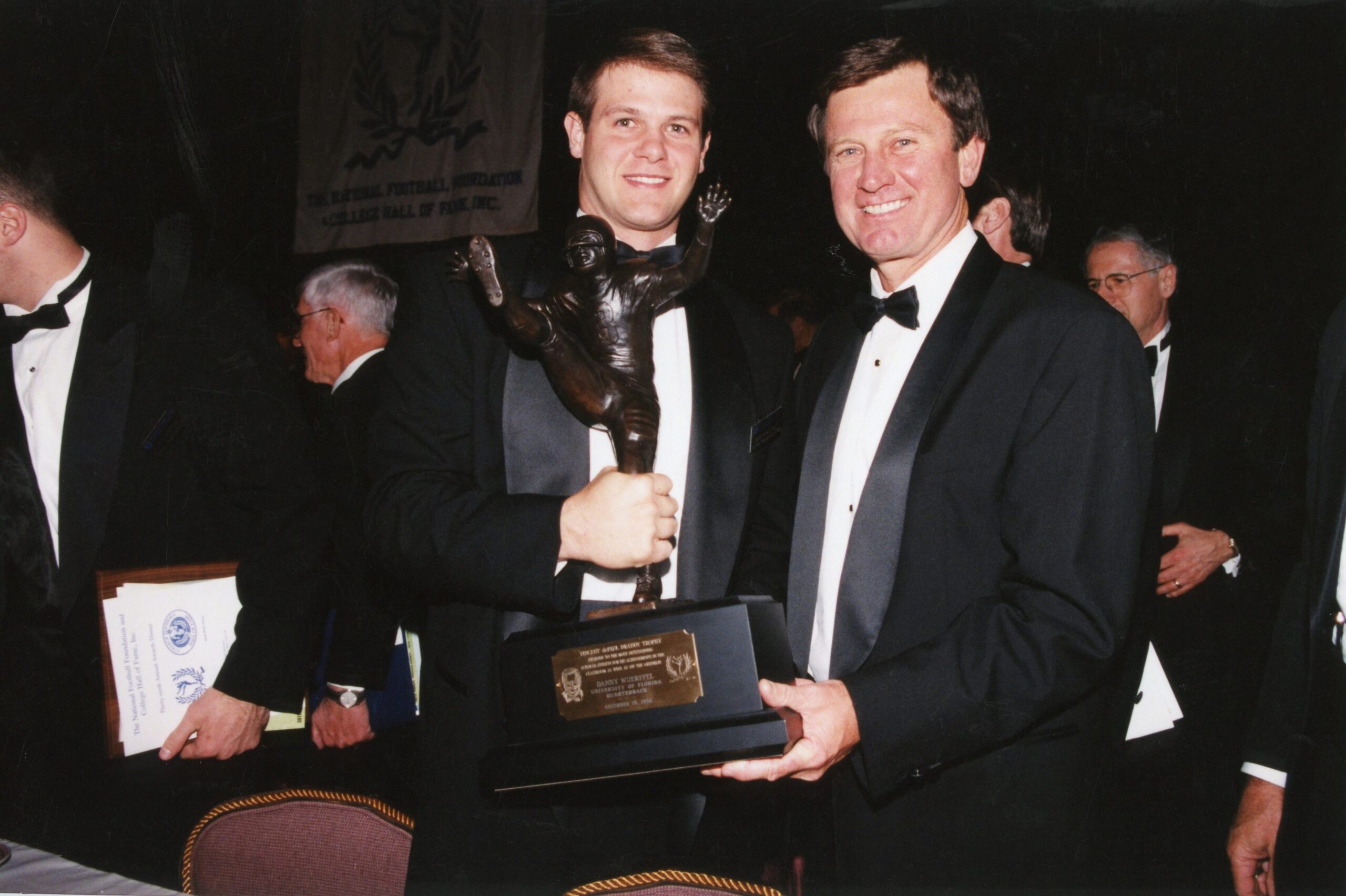
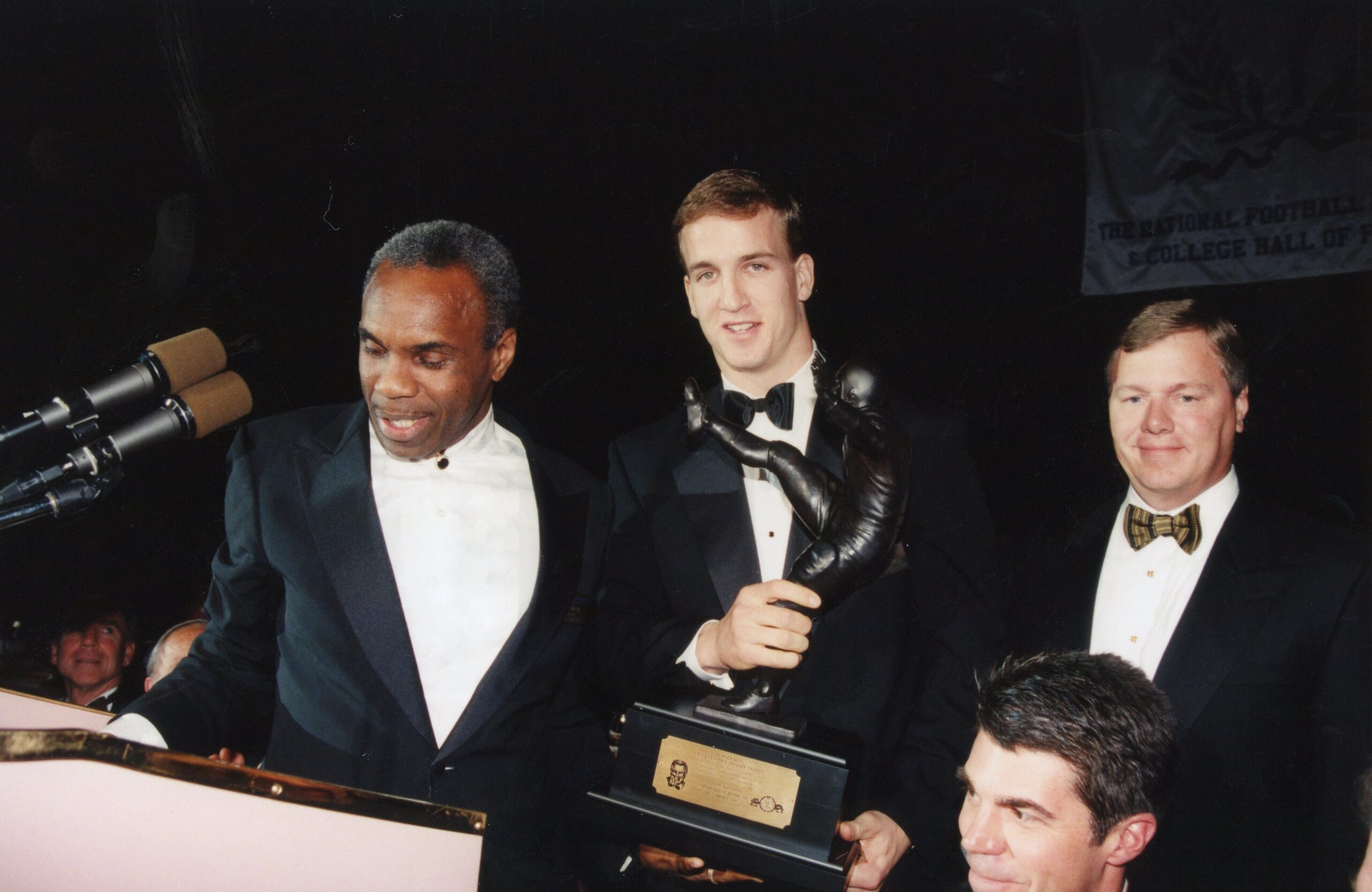
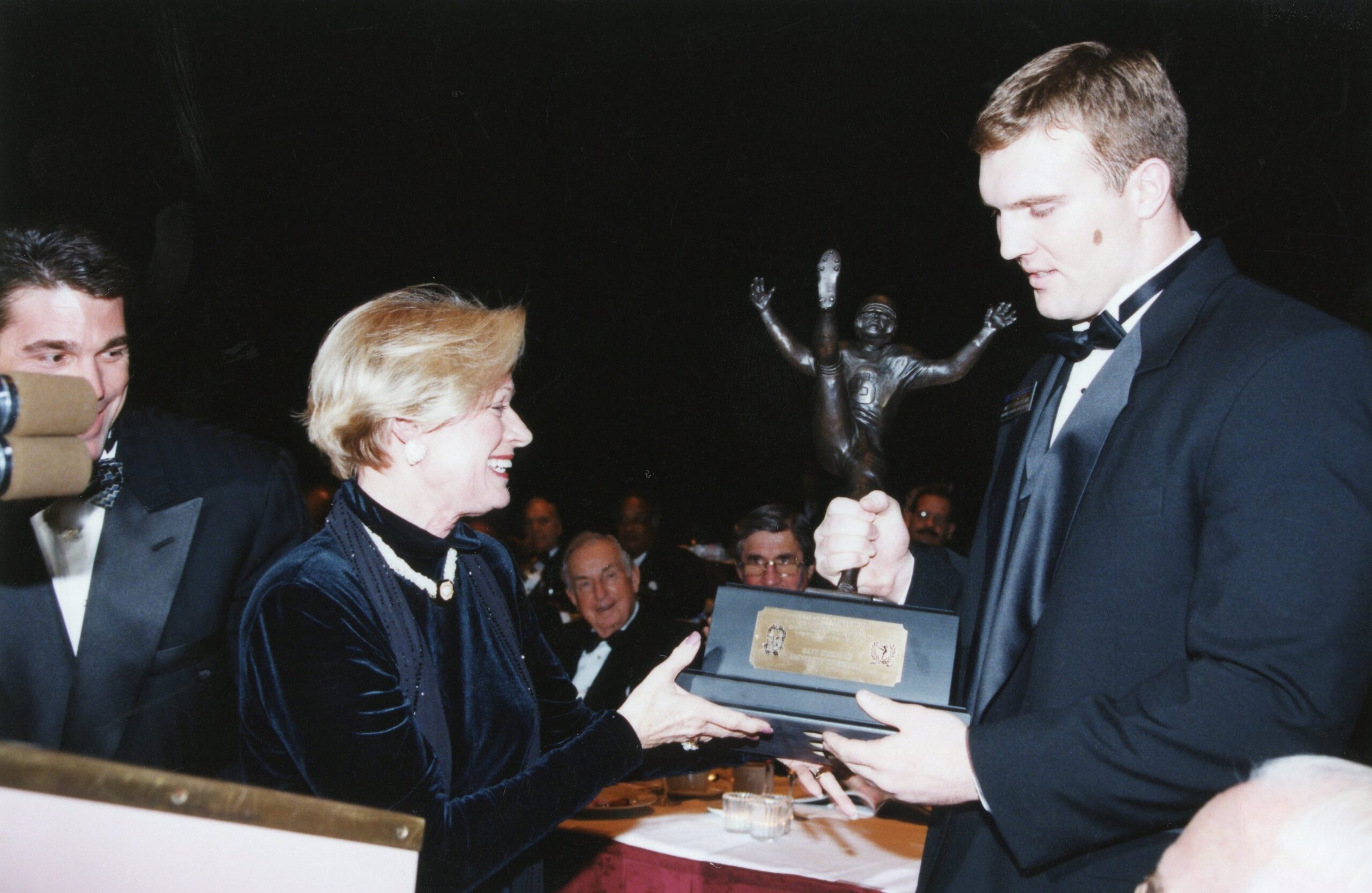
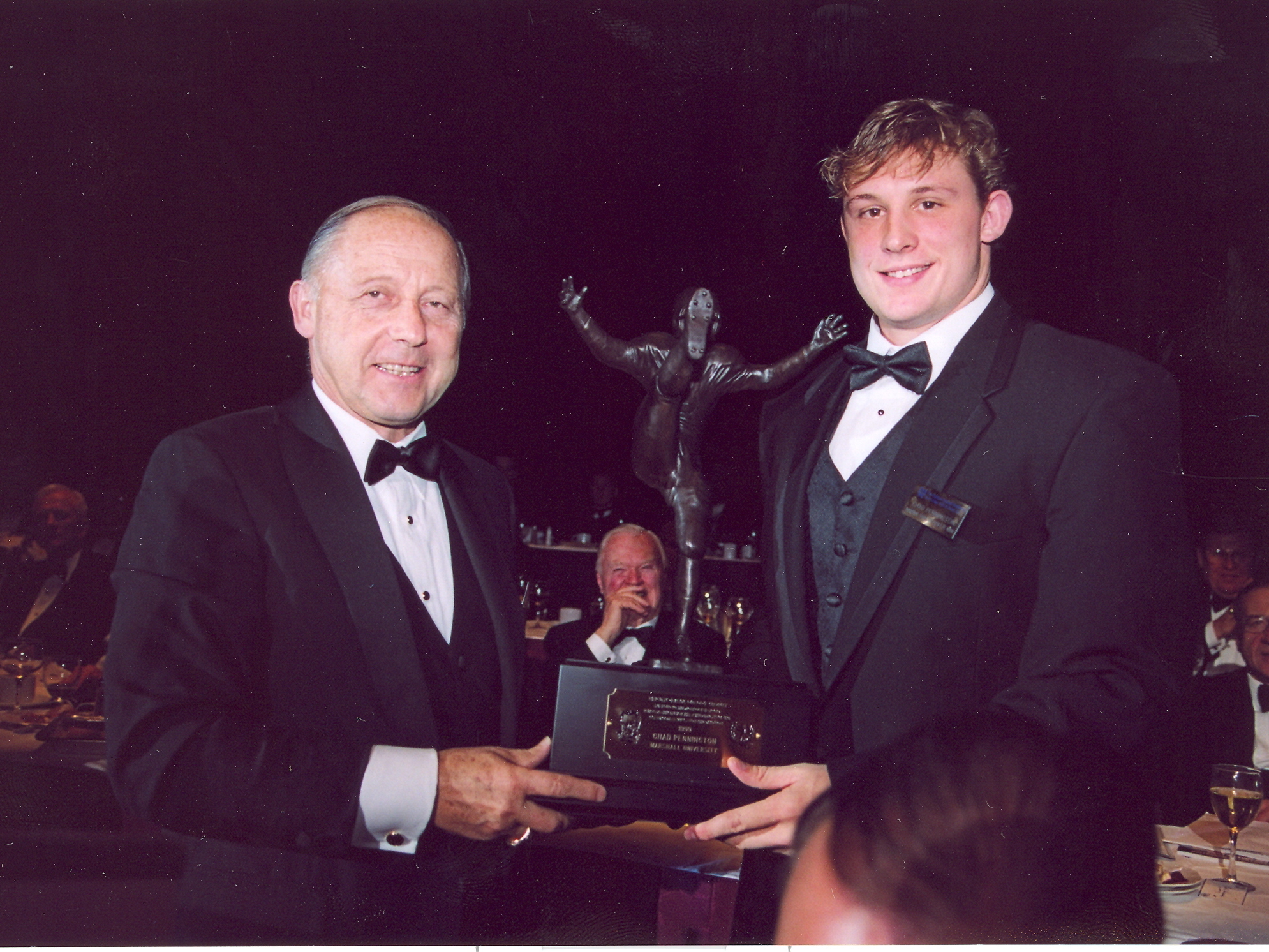
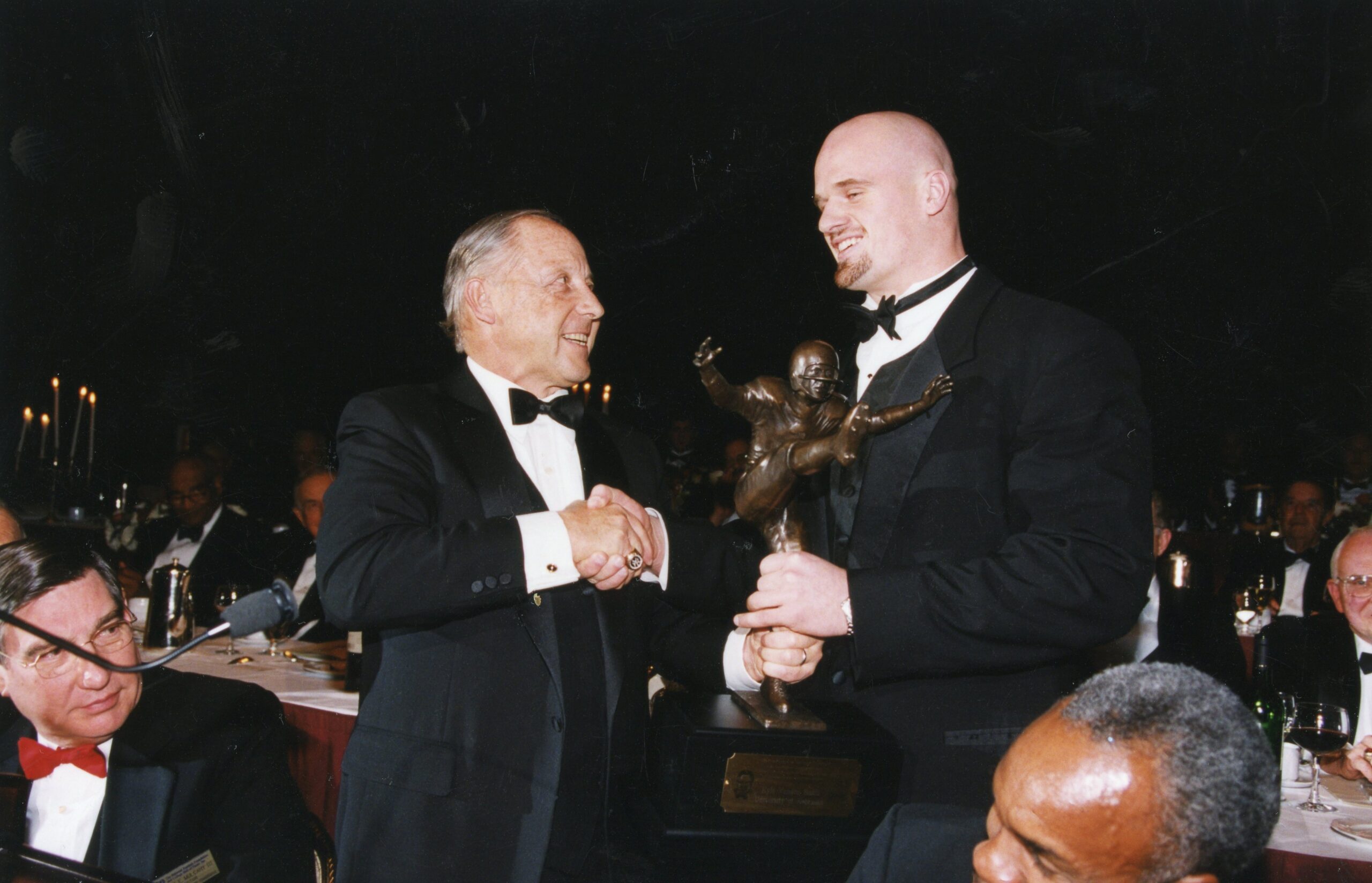
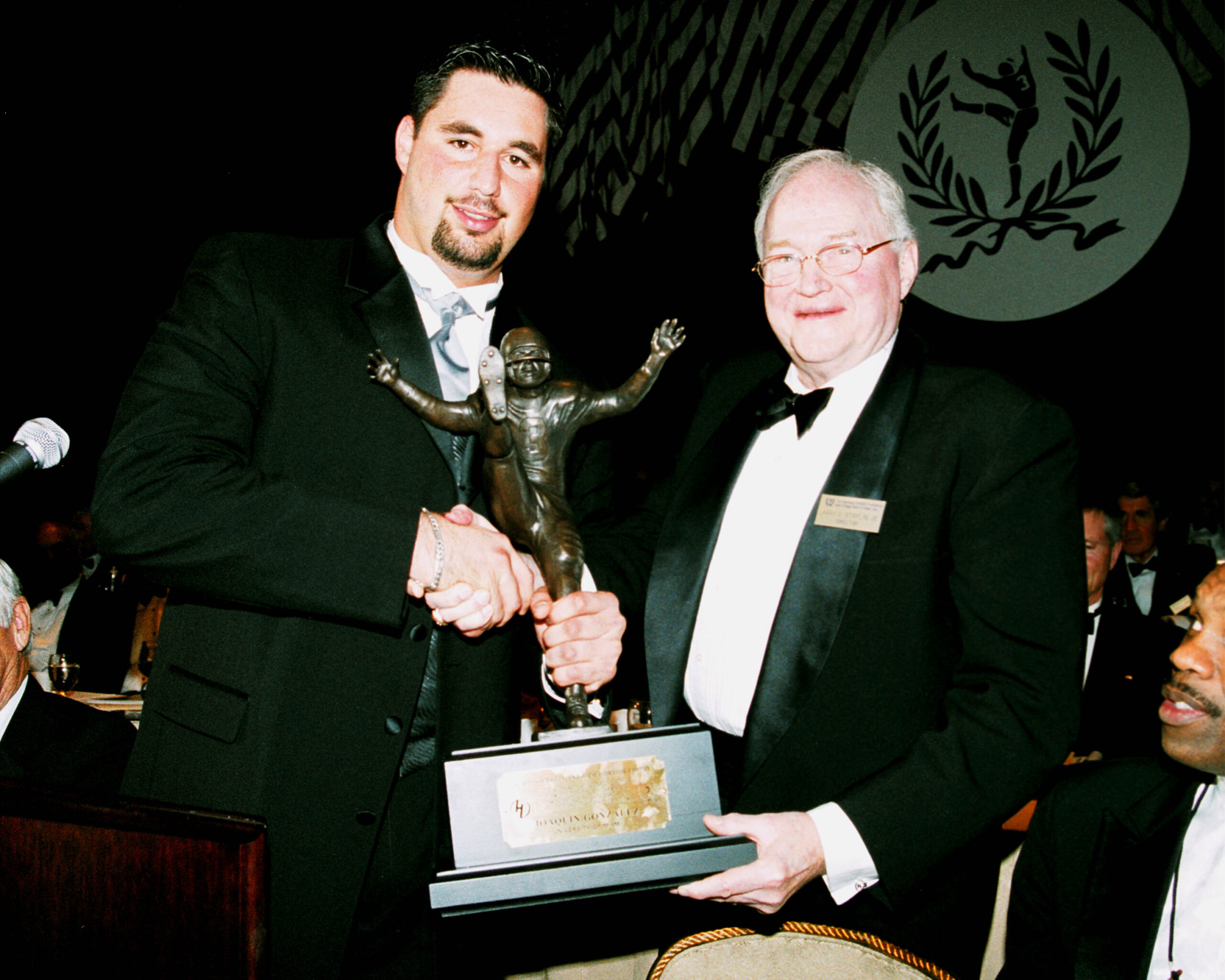
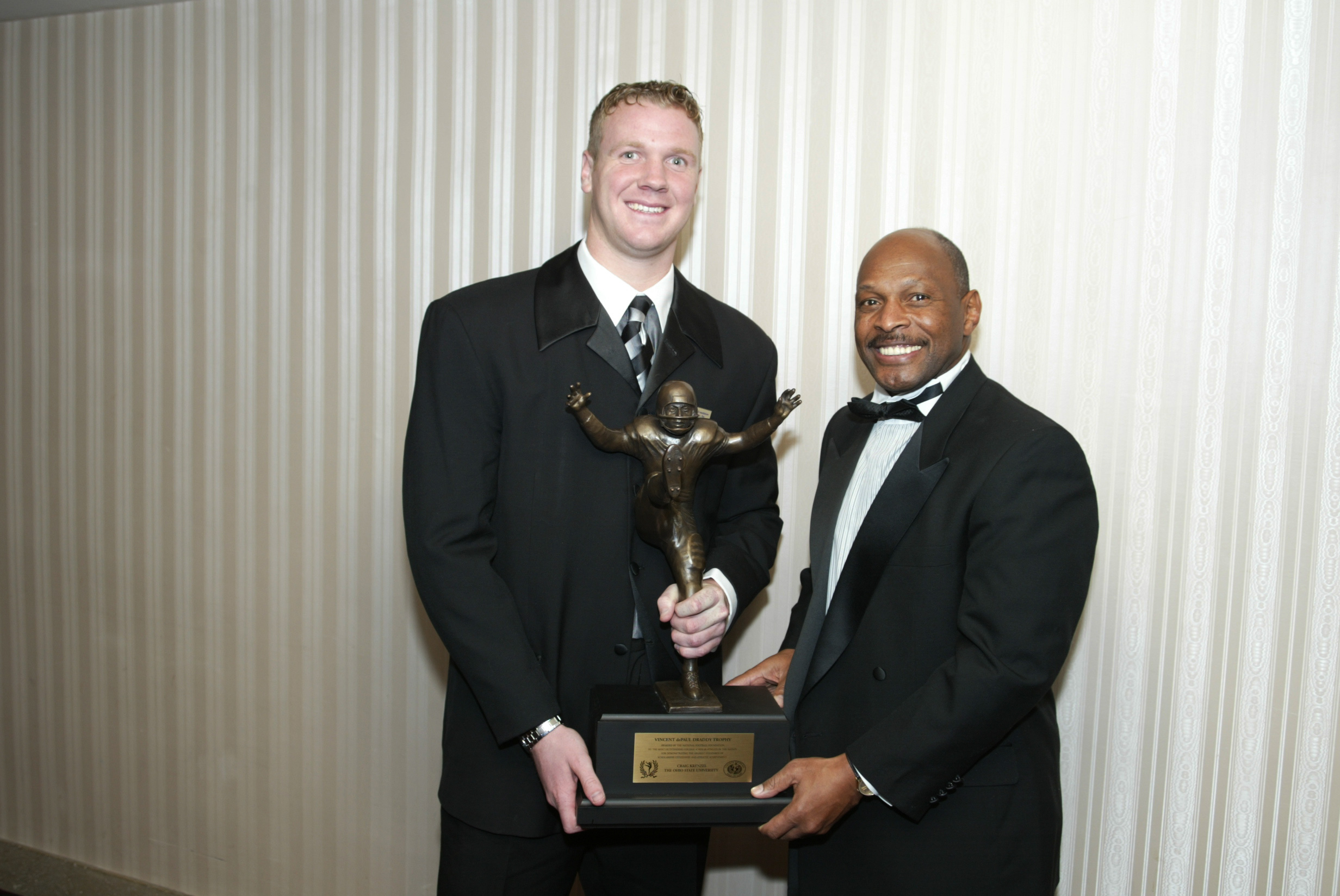
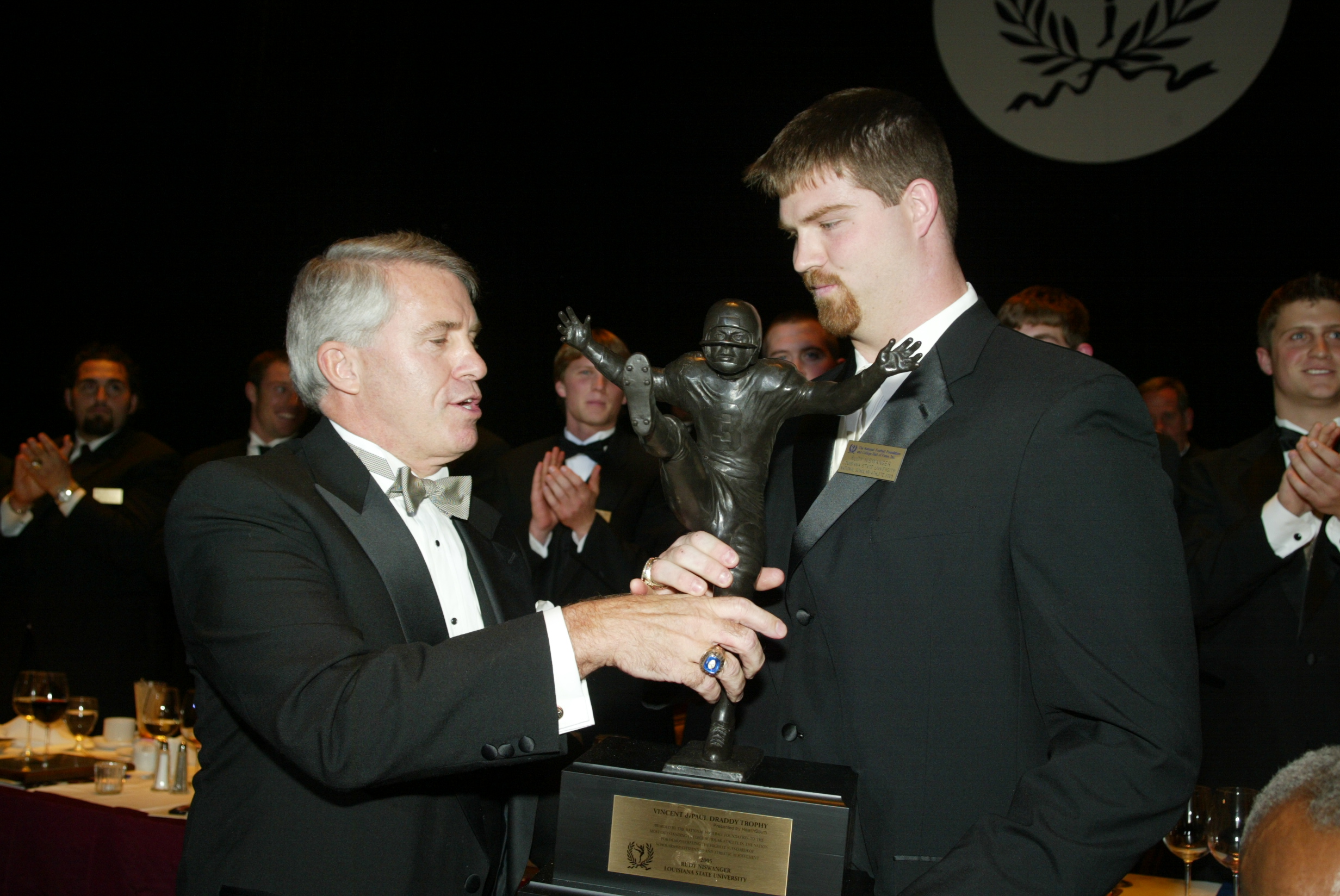
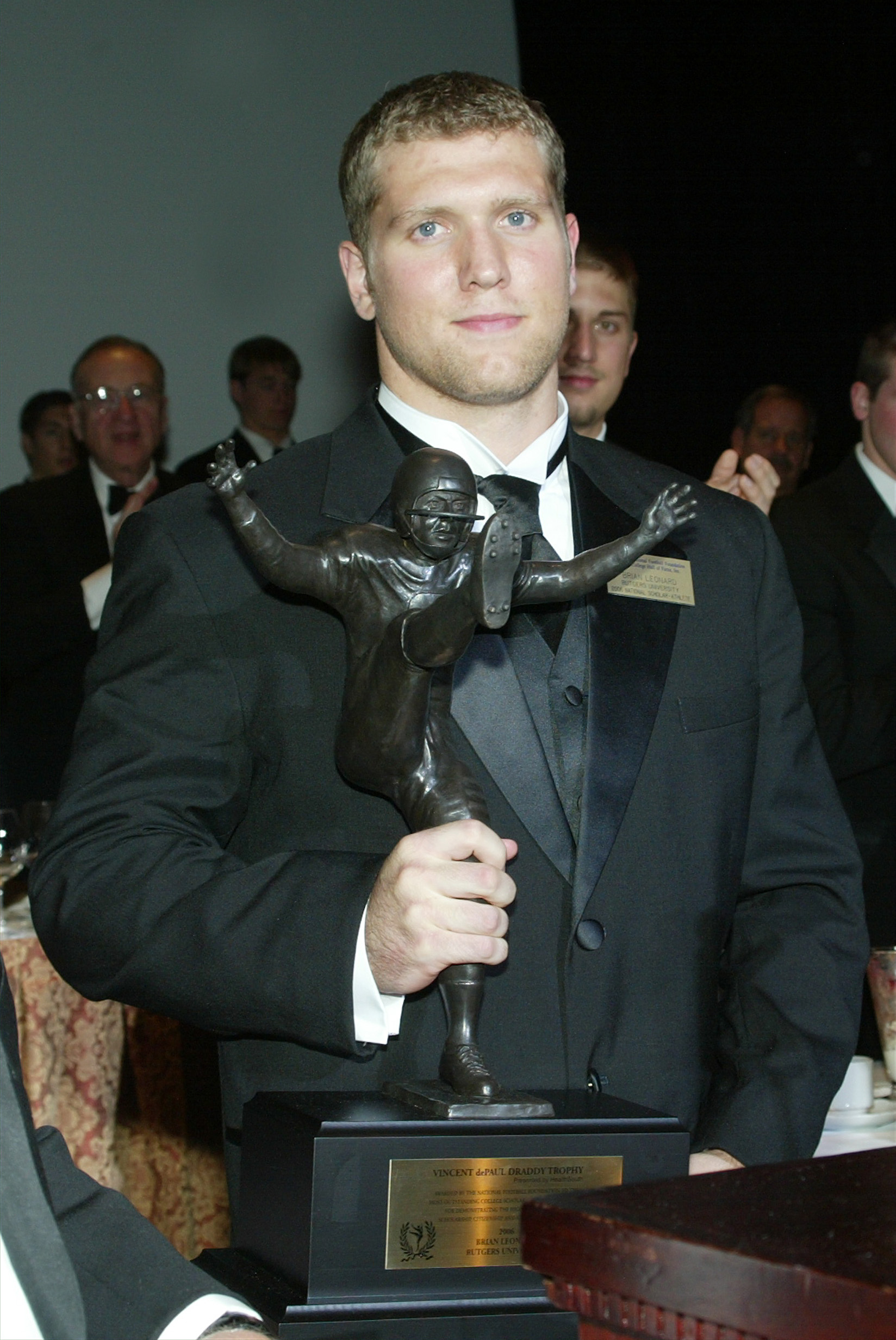
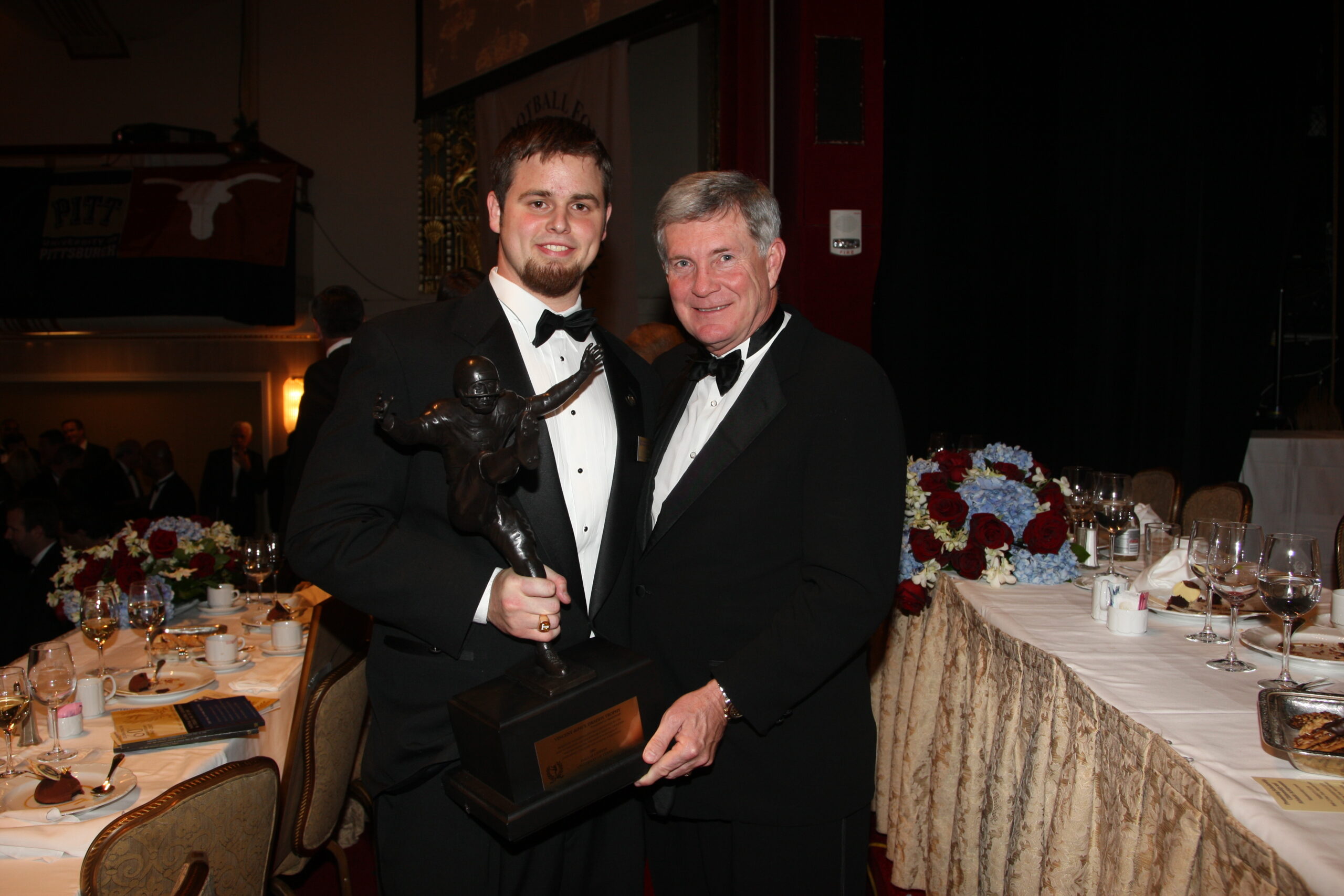
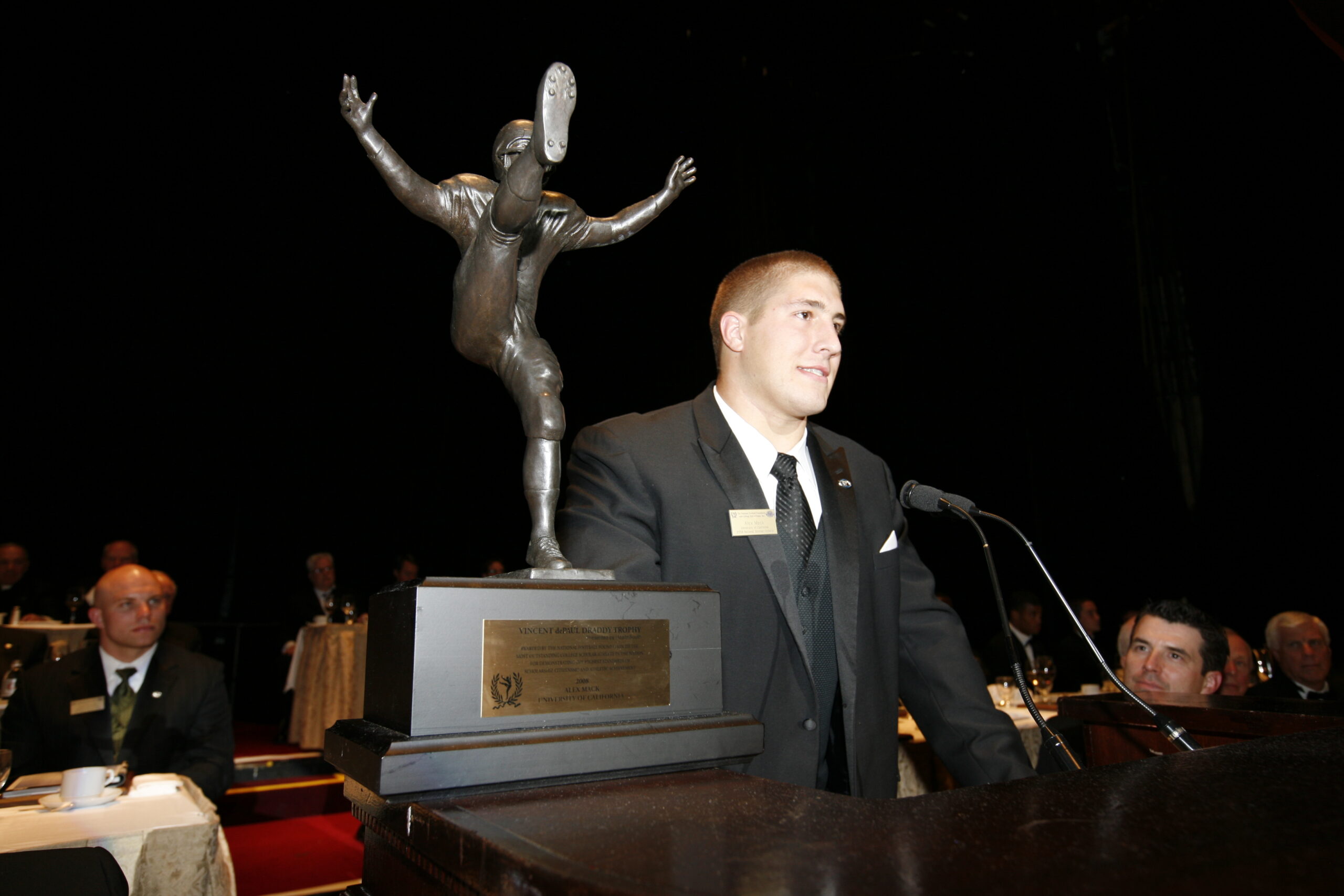
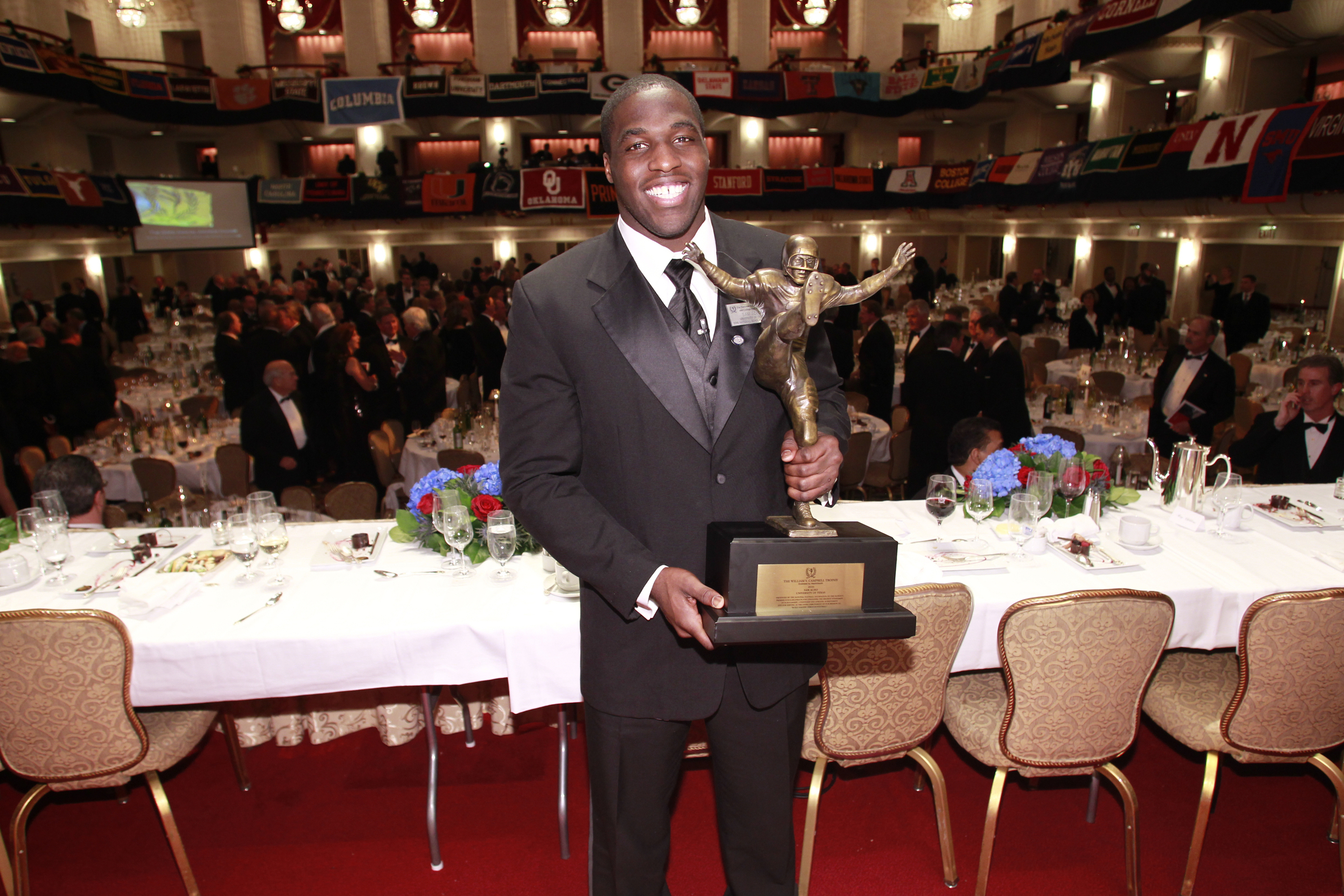
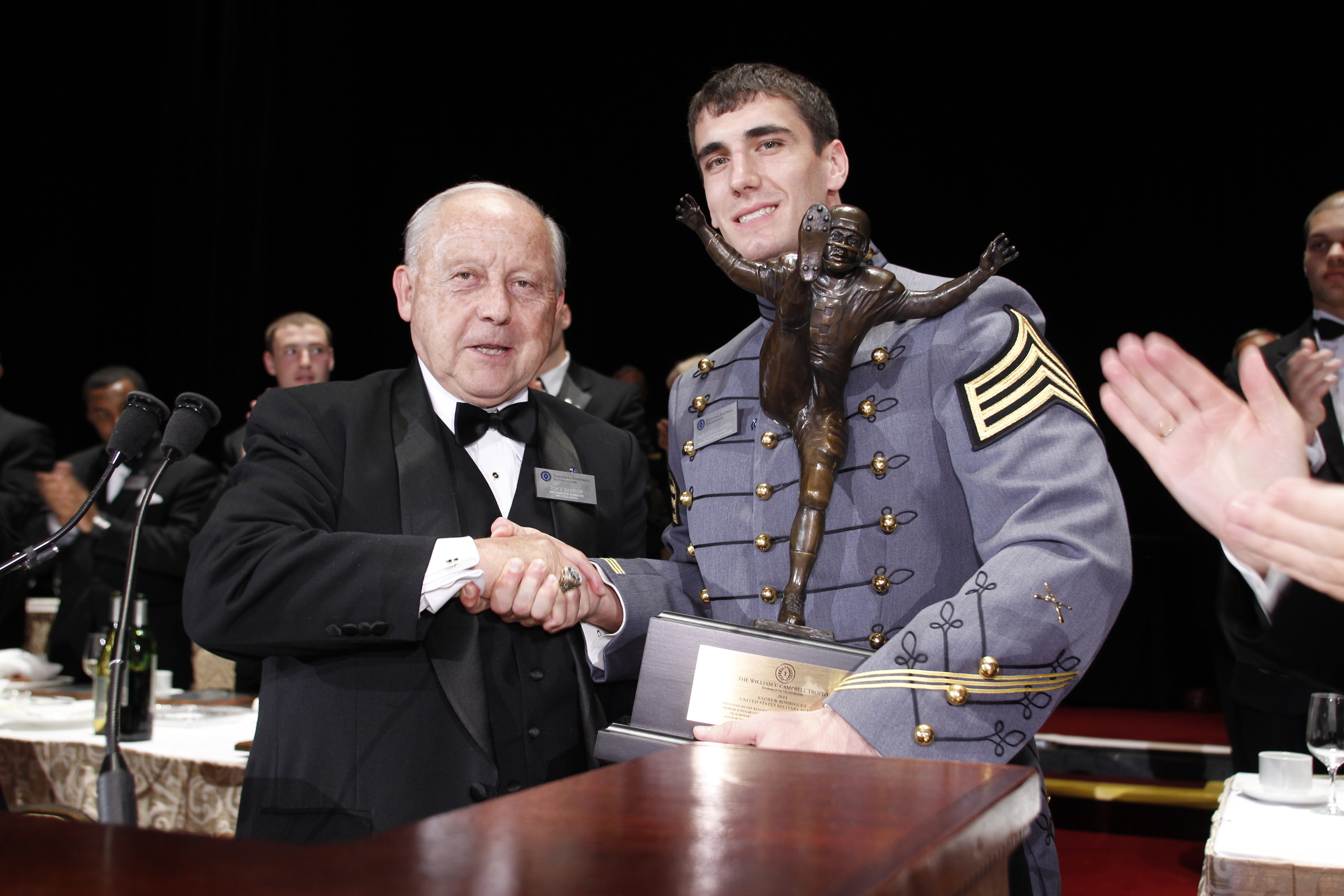
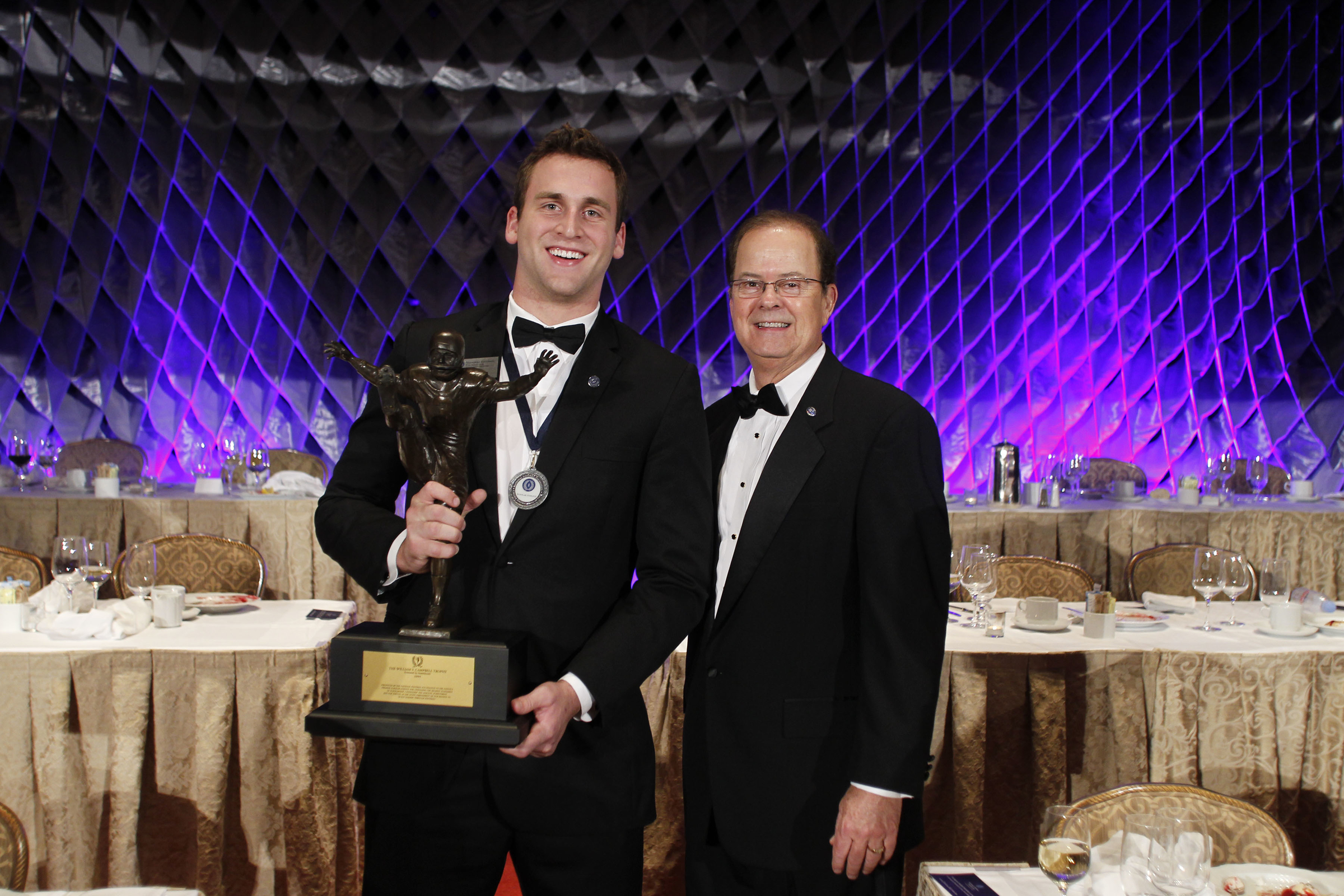
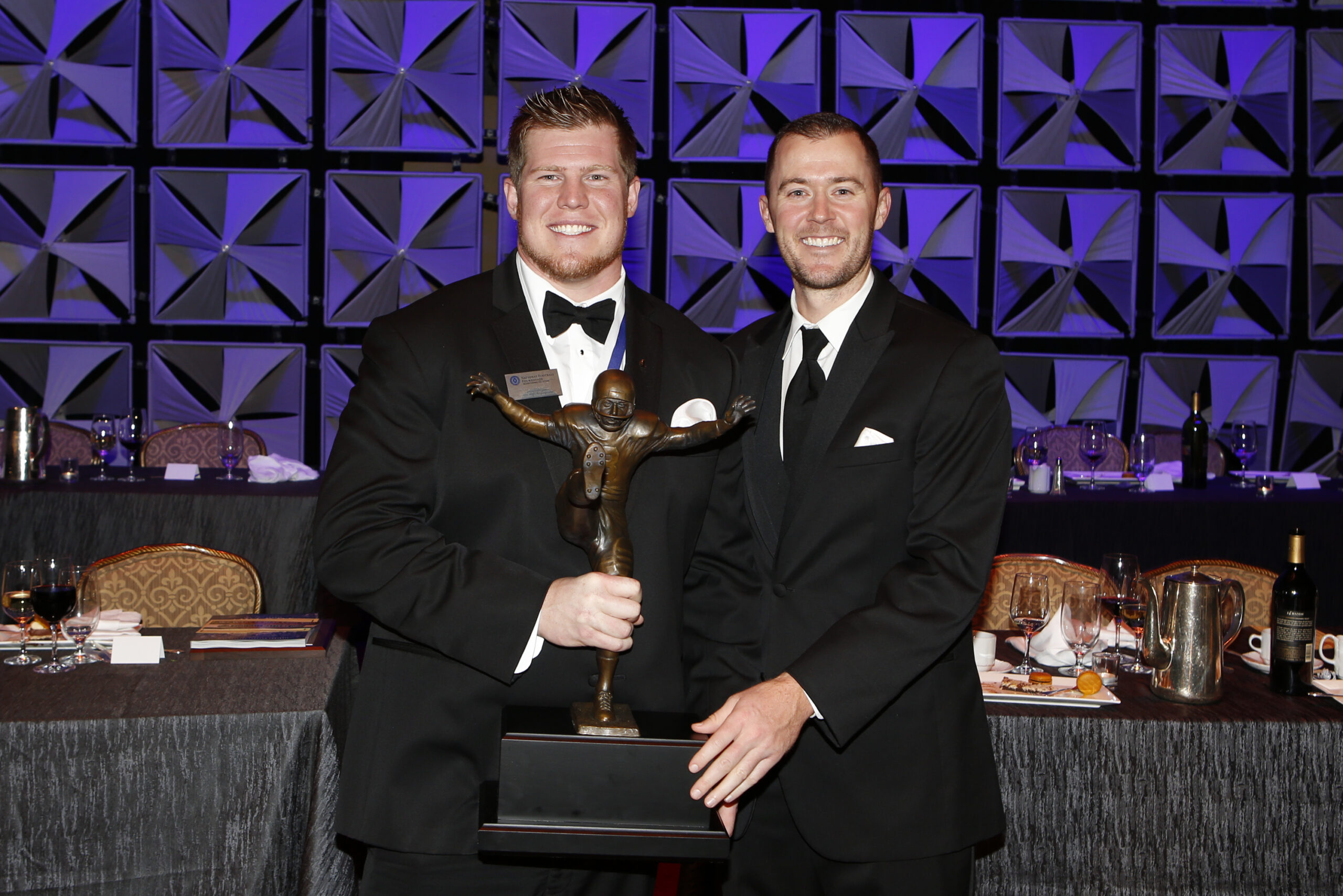
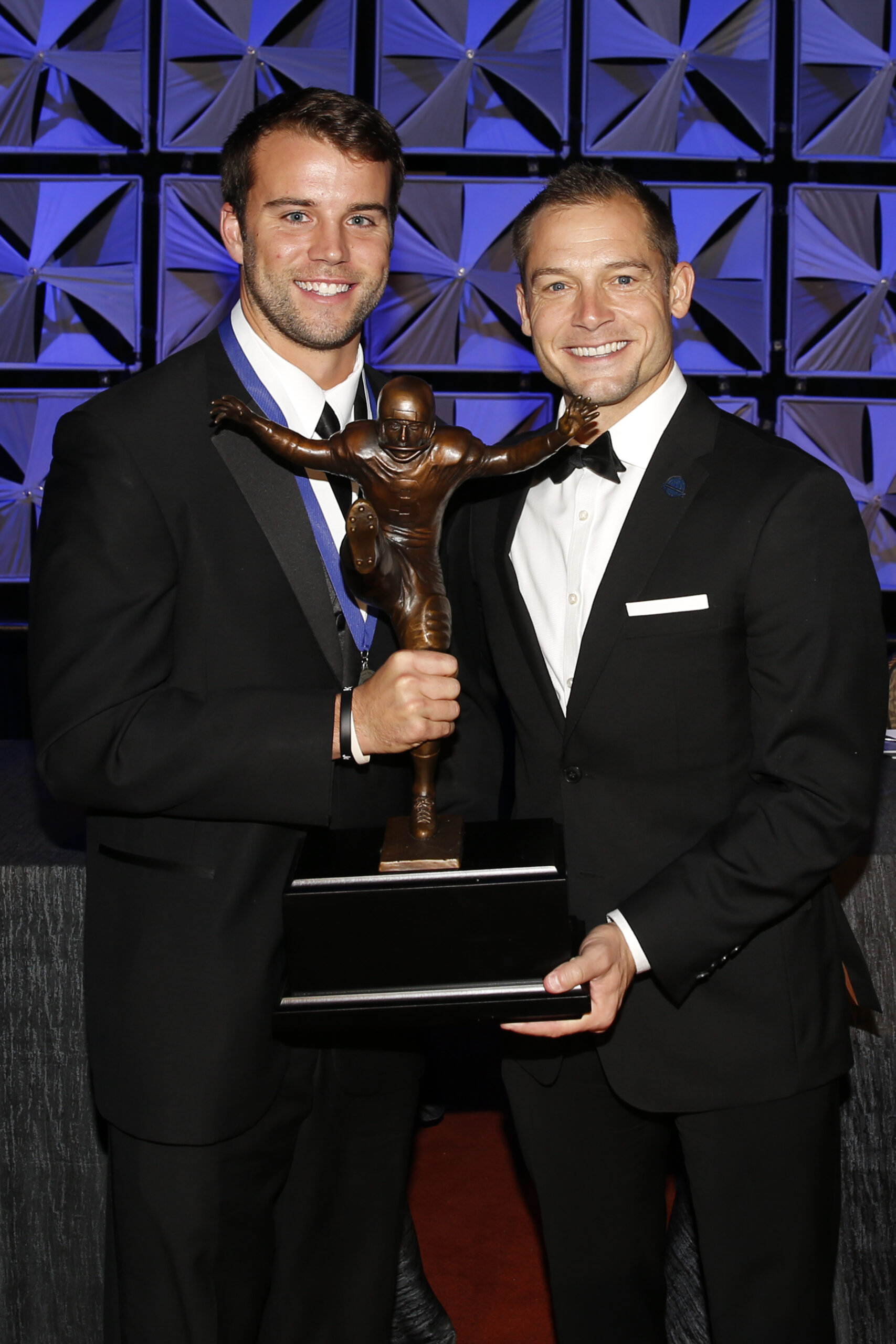
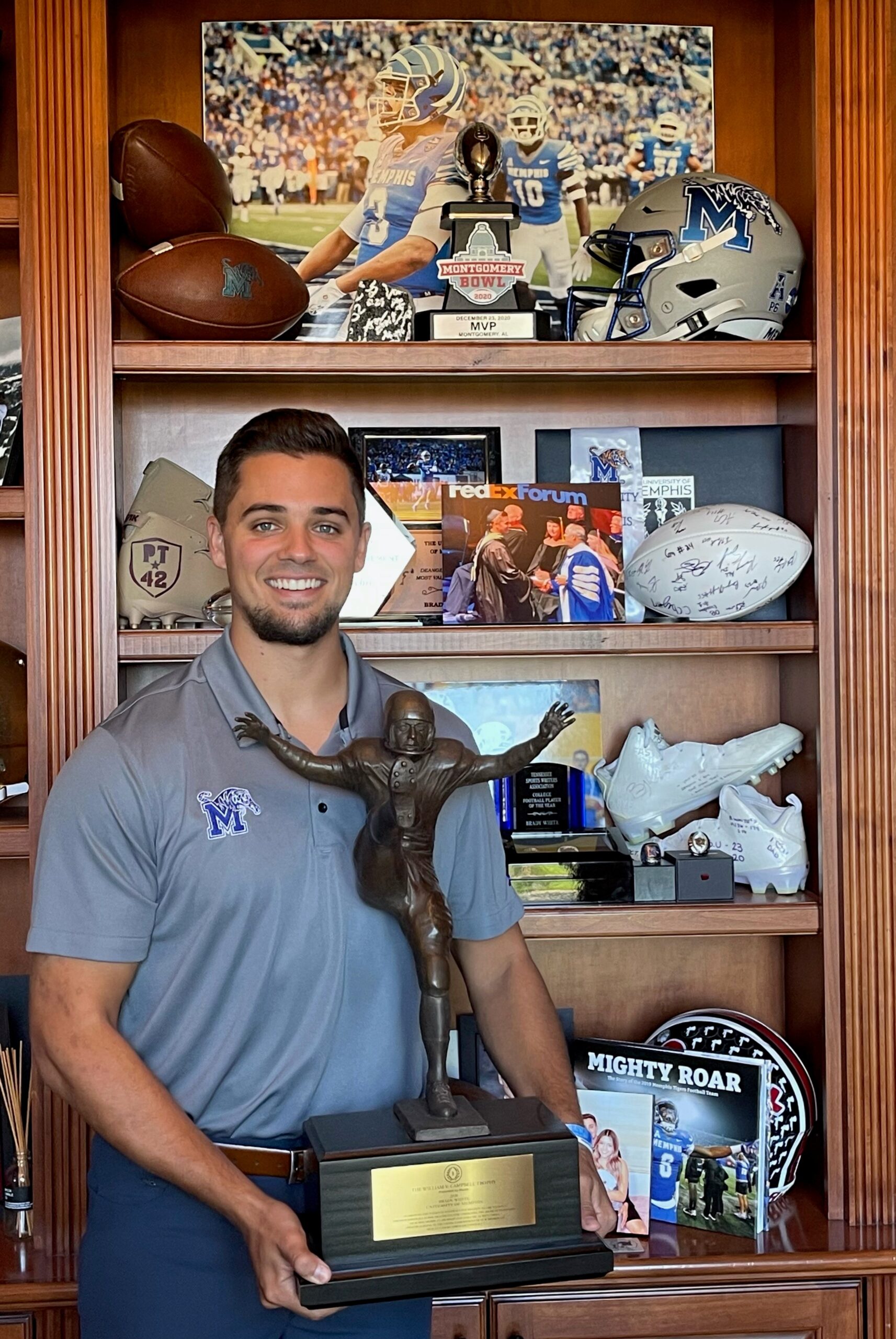
Bill attended Columbia University in New York City on a football scholarship, playing as an offensive lineman and earning All-Ivy honors in 1962. After graduating with a bachelor’s degree in economics, he earned a master’s degree in education from Columbia in 1964. He spent several years coaching high school football before returning to his alma mater as Columbia’s head football coach from 1974 to 1979. In that time, Bill earned a reputation as a builder of character and cohesion, a coach who left players with lessons that extended beyond the field and prepared them for life – something he would go on to bring into his coaching of founders and executives. The National Football Foundation honors his memory by bestowing the William V. Campbell Trophy on the student athlete that best embodies the combination of on-field success and academic excellence with leadership qualities.

Section 1 archive content: A Celebration of Bill Campbell on the Establishment of The William V. Campbell Trophy
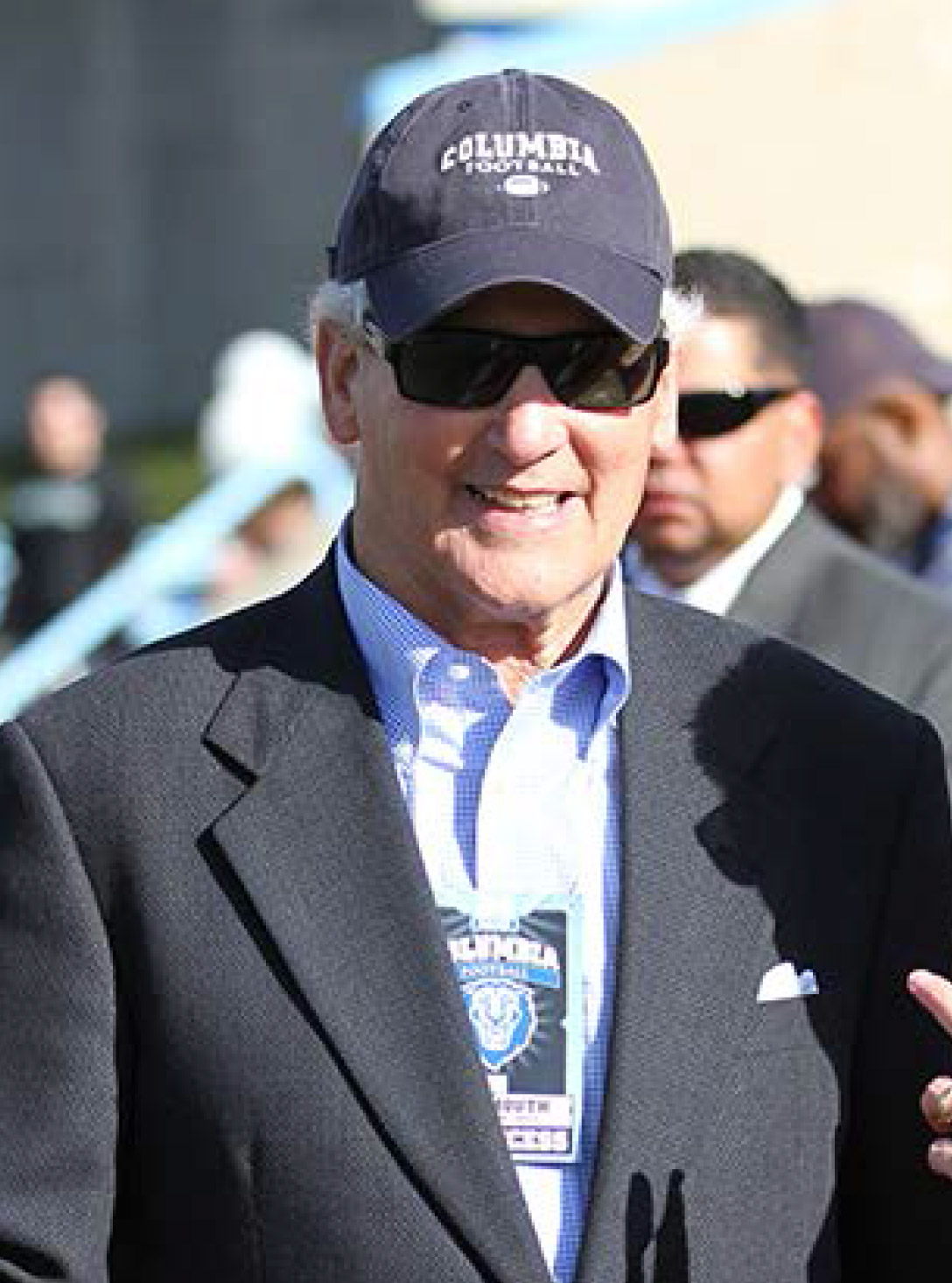
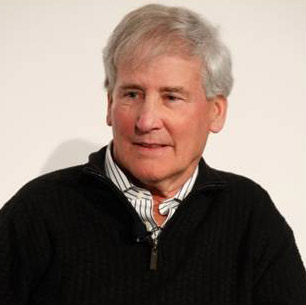
Bill’s early career work included his time as an account executive at the advertising agency J. Walter Thompson as an account executive before holding a position at Apple in 1983 as vice president of marketing. There he helped oversee the landmark launch of the Macintosh, contributing to campaigns – including the iconic 1984 Super Bowl advertisement – that changed how technology was sold to the public.

His notable career milestones include holding the position of CEO of GO Corporation, a pioneering tablet startup, and serving as the CEO of Intuit, the financial software company best known for TurboTax and Quicken. He grew Intuit’s revenue dramatically, expanded its product portfolio, and oversaw its transformation into a durable consumer brand. He later served as chairman of Intuit’s board, a role he held until 2016.

Alongside his executive career, Campbell began quietly coaching SIlicon Valley’s most powerful figures – STeve Jobs, Eric Schmidt, Larry Page, Sergey Brin, Sheryl Sandberg, and scores of others. His impact was so vast that Schmidt, Jonathan Rosenberg, and Adam Bryant documented it in the 2019 book Trillion Dollar Coach, estimating that companies he advised represented over a trillion dollars in collective market value.

"Without Bill we would not be who we are today", "I don't think anyone had an impact as important and far-reaching on Silicon Valley's leaders and culture. He made us all better."

Bill joined Columbia Board of Trustees in 2003 and was elected to serve as its Chairman from 2005 – 2014. It was during this tenure that he and Vice-Chairman Richard Witten ’75CC noticed the opportunity to better connect and invigorate the entrepreneurship activities around the university, which led to the founding of Columbia Entrepreneurship, Innovation, and Design in 2013. The Campbell Center, now an endowed and permanent part of Columbia, is the successor to this group. This group’s work to provide students and alums with space, mentorship, community, and connection to the greater entrepreneurship ecosystem is infused with how Bill coached the startup world: encouragement of calculated risk, frankness, and an emphasis on person-to-person relationships.

“You don't want to channel Bill, because no one can be him. But I learned from him how to get better: a higher level of honesty, a better understanding of people and management" 

William Campbell died on April 18, 2016, at age 75. He is remembered as an influential figure not just for what he built himself, but for what he helped others become.

Press Articles